
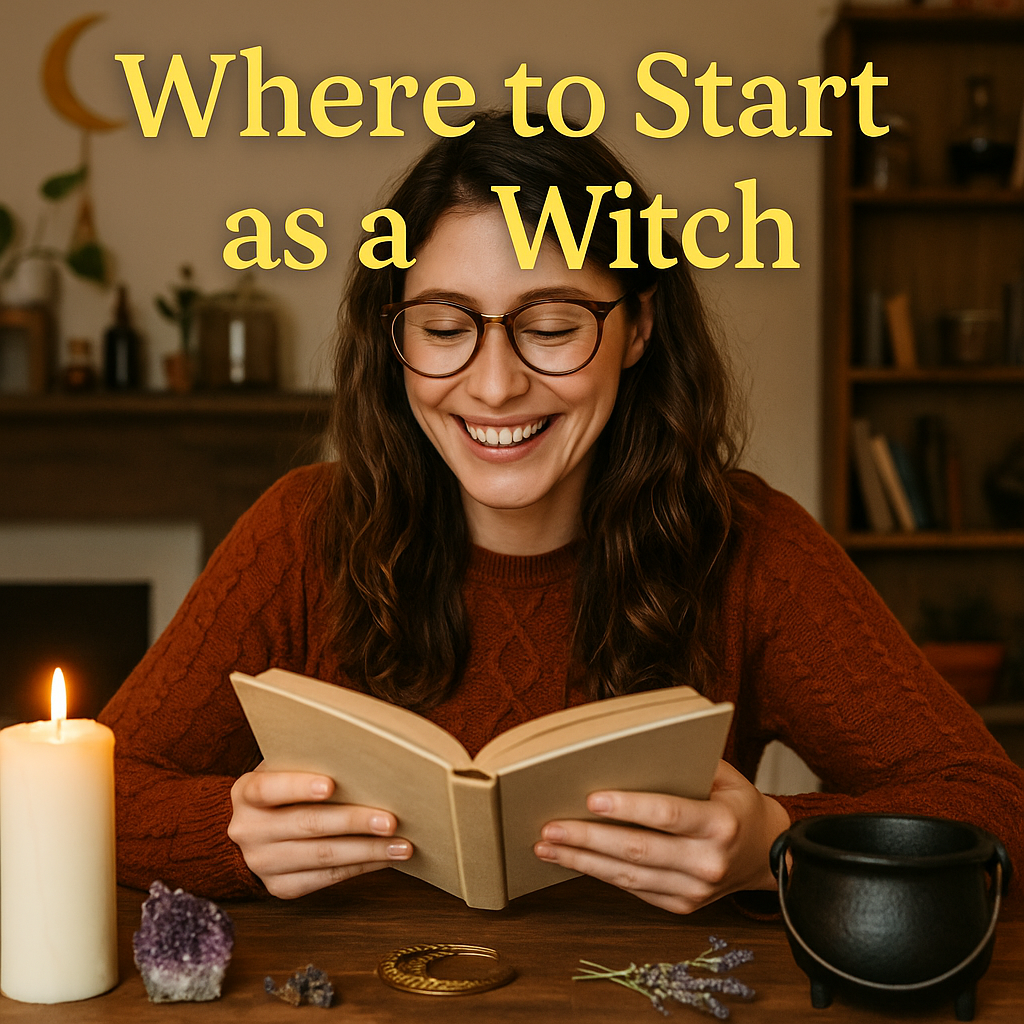
Feeling lost about where to start your witchcraft journey? This comprehensive guide breaks down everything you need to know about becoming a witch, especially if you have ADHD, autism, or feel overwhelmed by all the information out there.
If you’re wondering where to start as a witch, especially if you’re feeling overwhelmed or have a neurodivergent brain, you’re absolutely not alone. Furthermore, you belong here, regardless of your experience level or how your brain works.
Whether you’re feeling lost in infinite Pinterest boards, burned out from trying to “do it right,” or simply tired of feeling like you’re not “witchy enough,” this comprehensive guide is specifically designed for you. Moreover, this isn’t a gatekeeping space—it’s a soft, neurodivergent-affirming roadmap to starting your witchcraft journey without overwhelm.
Table of Contents
- Why Starting Witchcraft Feels Overwhelming
- Beginner Witch Essentials Checklist
- Simple 3-Step Framework to Start
- Neurodivergent-Friendly Witchcraft Tips
- Core Beginner Witch Skills
- Budget-Friendly Altar Ideas
- Ethics and Safety for New Witches
- Building Sustainable Ritual Habits
- Common Beginner Mistakes to Avoid
- Finding Your Witchcraft Community
Understanding Why Starting Witchcraft Feels So Overwhelming
You’re Not Alone in These Feelings: If you’ve ever thought any of these things, you’re experiencing what 87% of new witches report feeling when they first start their journey:
- “There’s SO much to learn, consequently I don’t know where to begin”
- “My brain wants to try everything at once, but then I get overwhelmed”
- “I forget rituals, skip full moons, and subsequently feel like I’m failing”
- “Incense and smoke give me sensory overload, so I avoid certain practices”
- “Everyone seems to know what they’re doing, while I feel completely lost”
Here’s the truth: These feelings are completely normal, and moreover, they don’t make you any less suited for witchcraft.
Why Modern Witchcraft Information Can Be Overwhelming:
Information Overload:
- 500+ witchcraft books published yearly create choice paralysis
- Social media algorithms show endless “must-have” tools and practices
- Conflicting advice from different traditions and practitioners
- Perfectionist culture that suggests you need expensive tools to start
Neurodivergent-Specific Challenges:
- ADHD: Executive dysfunction makes it hard to organize learning and practice
- Autism: Sensory sensitivities to common witchcraft elements (smoke, strong scents)
- General overwhelm: Too many choices leading to decision fatigue and shutdown
🌕 Complete Beginner Witch Essentials Checklist
Everything You Actually Need to Start (Spoiler: It’s Less Than You Think)
Instead of overwhelming you with endless lists, here’s what you truly need to begin your witchcraft journey:
Absolutely Essential (Choose Just One):
✅ One candle (any color, any size—even a tea light works)
✅ One notebook (for intentions, observations, or spell work)
✅ One natural object (stone, shell, feather, or leaf you’re drawn to)
Helpful But Not Required:
- Small bowl (for water, salt, or herbs)
- Matches or lighter (if using candles)
- Salt (regular table salt works perfectly)
- One deck of oracle or tarot cards (when you’re ready)
That’s It. Seriously.
🌕 Beginner Witch Checklist: Where to Start
Want a printable version to keep by your altar or journal? Our free Beginner Witch Checklist is a cozy visual guide that walks you through the essentials in one page. Specifically designed for overwhelmed or neurodivergent witches just starting out.
👉 Download Your Free Beginner Witch Checklist
This checklist includes:
- ✨ Essential tools breakdown with alternatives
- 🧠 ADHD-friendly organization tips
- 🌿 Sensory-friendly practice modifications
- 📝 First ritual ideas you can try today

🔍 Simple 3-Step Framework to Start as a Witch
Here’s a radical idea: You don’t need to do everything at once. Instead, start with these three core elements that form the foundation of all witchcraft practice.
Step 1: Set Your Intention for Starting Witchcraft
This is your “why”—your personal reason for exploring witchcraft.
Common beginner intentions include:
- Protection: Feeling safer and more grounded in daily life
- Healing: Supporting mental, emotional, or physical wellbeing
- Clarity: Making better decisions and understanding yourself
- Connection: Feeling more connected to nature, seasons, or spirituality
- Confidence: Building self-trust and personal power
Neurodivergent-Friendly Intention Setting:
- Write your intention in simple, clear language
- Moreover, focus on how you want to feel, not what you want to achieve
- Additionally, remember that intentions can change and evolve over time
- Finally, your intentions are valid even when they feel small or simple
Daily Affirmation: “My intentions are valid even when they feel small. I am exactly where I need to be in my journey.”
Step 2: Choose One Beginner Witch Tool or Element
Pick just ONE to begin with (you can always add more later):
Option A: A Candle
- Best for: Focus, ritual marking, intention setting, and energy release
- Why it works: Fire element provides clear beginning and end to practices
- ADHD-friendly: Visual focus point that helps with attention and routine building
- Autism considerations: LED candles work perfectly if fire sensitivity is an issue
B: A Rock or Crystal
- Best for: Grounding, anxiety relief, and portable spiritual connection
- Why it works: Earth element provides stability and tactile comfort
- ADHD-friendly: Fidget-friendly for focus during meditation or ritual
- Budget option: Any stone from outside works as well as expensive crystals
C: A Notebook
- Best for: Journaling, sigil creation, spell recording, and tracking progress
- Why it works: Documents your journey and helps process experiences
- ADHD-friendly: External memory aid for tracking what works and what doesn’t
- Flexibility: Can be messy, organized, digital, or paper—whatever works for you
Step 3: Create a Simple Ritual Space to Start Witchcraft
This is about creating a moment, not a big event. Your ritual space can be:
Micro-Ritual Ideas:
- Light a candle while setting a daily intention (2 minutes)
- Stir your coffee or tea clockwise while saying a gratitude mantra
- Sit outside for 5 minutes and consciously notice the wind, sun, or sounds
- Hold your stone or crystal while taking three deep breaths before bed
Flexible Space Options:
- Permanent altar: Dedicated shelf, table corner, or windowsill
- Portable altar: Tray, box lid, or special cloth that can be set up anywhere
- No-space altar: Use your phone for digital altar images, or practice outdoors
- Stealth altar: Arrange everyday objects (plants, candles, books) that don’t look “witchy”
🧠 Neurodivergent-Friendly Witchcraft Tips
Making Witchcraft Work for Your Brain
Traditional witchcraft advice often assumes neurotypical brains and sensory systems. However, with some simple modifications, witchcraft can be incredibly soothing and supportive for neurodivergent practitioners.
ADHD-Friendly Witchcraft Adaptations:
Executive Function Support:
- Time-box your practices: Use 5-15 minute timers to prevent hyperfocus burnout
- Ritual anchoring: Attach magical practices to existing habits (morning coffee + intention setting)
- Visual reminders: Place altar items where you’ll naturally see them
- Simple organization: Use clear containers and labels for magical supplies
Attention and Focus Strategies:
- Body doubling: Practice rituals while video-calling other witches
- Fidget-friendly tools: Worry stones, prayer beads, or textured crystals
- Movement integration: Standing rituals, walking meditations, or swaying during spellwork
- Variety and novelty: Rotate between different types of practices to maintain interest
Energy Management:
- Spoon theory application: Choose ritual complexity based on daily energy levels
- Hyperfocus accommodation: Set alarms to remember meals and hydration during long ritual sessions
- Dopamine-friendly rewards: Celebrate small magical accomplishments
- Flexible scheduling: Practice when inspiration strikes rather than forcing rigid schedules
Autism-Friendly Witchcraft Modifications:
Sensory Accommodations:
- Scent alternatives: Visual altars, silent rituals, or unscented practices
- Sound sensitivity: Use soft instrumental music, nature sounds, or complete silence
- Texture considerations: Test all materials before incorporating into regular practice
- Light sensitivity: Warm LED candles instead of flickering flames, or practice in natural light
Routine and Predictability:
- Consistent practices: Same ritual structure daily or weekly for comfort
- Clear instructions: Write out step-by-step ritual guides for reference
- Preparation rituals: Set up ritual space the same way each time
- Transition time: Allow processing time before and after magical practices
Communication and Processing:
- Written spells: Create scripts for spoken elements if verbal processing is challenging
- Visual guides: Use pictures or symbols to represent ritual steps
- Processing time: Allow extra time to integrate experiences after rituals
- Special interests: Incorporate autism special interests into magical practice
Highly Sensitive Person (HSP) Considerations:
Energy Protection:
- Gentle practices: Avoid intense or overwhelming magical techniques initially
- Grounding emphasis: Extra focus on earthing and nervous system regulation
- Energy cleansing: Regular practice clearing space of overwhelming energies
- Boundary work: Learning to shield from others’ emotions and energy
Overwhelm Prevention:
- Minimal aesthetics: Simple, calming altar setups rather than complex arrangements
- Natural elements: Incorporate plants, stones, and gentle natural materials
- Quiet practices: Emphasize meditation, journaling, and gentle movement
- Emotional processing: Use witchcraft for emotional regulation and self-care
Sensory-Friendly Alternatives to Traditional Practices:
Instead of Incense:
- Essential oil diffusers with timer controls
- Furthermore, scented candles in well-ventilated areas
- Additionally, fresh herbs or flowers for natural scent
- Moreover, visualization of scents during scent-free practices
Not Fan of Loud Chanting?:
- Whispered affirmations or silent intention-setting
- Similarly, humming or soft singing
- Additionally, written spells or typed affirmations
- Furthermore, sign language or gesture-based rituals
Instead of Complex Rituals:
- Single-action spells (lighting one candle with intention)
- Moreover, daily micro-practices (gratitude while brushing teeth)
- Additionally, seasonal check-ins instead of monthly moon rituals
- Finally, intuitive practices that change based on daily needs
🔮 Core Beginner Witch Skills to Develop
These foundational practices require no special tools and can be started immediately:
1. Grounding and Centering (Essential for All Practices)
What it is: Techniques to feel stable, present, and connected to your body and the earth.
Why it matters: Grounding prevents overwhelm, supports emotional regulation, and creates a stable foundation for all other magical work.
Simple Grounding Techniques:
The Tree Root Visualization:
- Sit comfortably with feet on the floor
- Close your eyes and take three deep breaths
- Imagine roots growing from your feet into the earth
- Visualize drawing stable, calm energy up through these roots
- Hold this feeling for 1-5 minutes
Physical Grounding Options:
- Touch the earth: Sit on grass, sand, or soil with bare hands or feet
- Use grounding objects: Hold a stone, crystal, or piece of wood
- Body awareness: Feel the weight of your body in your chair or the ground beneath your feet
- Temperature grounding: Hold something warm or cool to anchor in the present moment
ADHD-Friendly Grounding:
- Use timers to prevent getting lost in meditation
- Additionally, incorporate movement like swaying or gentle stretching
- Moreover, try grounding during walks or while fidgeting with textured objects
Autism-Friendly Grounding:
- Practice in the same location with consistent sensory input
- Furthermore, use the same grounding phrase or visualization each time
- Additionally, allow flexibility in timing and duration based on daily needs
2. Energy Awareness and Protection
What it is: Learning to notice and work with the subtle energy in and around your body.
Why it matters: Energy awareness helps you understand how rituals and spells affect you, while protection techniques support emotional and spiritual wellbeing.
Beginning Energy Practices:
Energy Sensing Exercise:
- Rub your palms together vigorously for 30 seconds
- Slowly pull your hands apart, feeling for tingling or warmth
- Push your palms slowly together, noticing any sensation or resistance
- This is your energy field—practice expanding and contracting it
Basic Shielding Technique:
- Sit or stand comfortably
- Visualize a bubble of white or golden light surrounding your entire body
- Set the intention that this light allows positive energy in while keeping negative energy out
- Refresh this shield daily or whenever you feel overwhelmed
Post-Ritual Energy Check-ins:
- Notice how your body feels before and after magical practices
- Moreover, pay attention to energy levels, mood changes, or physical sensations
- Additionally, keep notes about what practices make you feel energized vs. drained
- Furthermore, adjust your practice based on these observations
3. Developing Intuitive Abilities
What it is: Learning to trust and develop your inner knowing and psychic abilities.
Why it matters: Intuition guides effective spellwork, helps you choose appropriate practices, and deepens your connection to magical practice.
Intuition Development Exercises:
Weekly Card Pulls:
- Choose one oracle or tarot card each week
- First, ask: “What do I need to know this week?”
- Then, spend a few minutes looking at the card and noticing what comes up
- Finally, journal about how the card’s message applies to your current situation
- Track accuracy and insights over time
Dream Journaling:
- Keep a notebook by your bed
- Write down any dreams you remember, no matter how fragmentary
- Additionally, look for patterns, symbols, or recurring themes
- Moreover, notice if dreams provide guidance or insights about your life
Body Wisdom Practice:
- When making decisions, notice how each option feels in your body
- Furthermore, ask yourself: “Does this feel expansive or contractive?”
- Additionally, trust first instincts before overthinking
- Moreover, practice with low-stakes decisions to build confidence
Daily Intuition Check-ins:
- Each morning, ask yourself: “What does my intuition want me to know today?”
- Listen for the first thought, feeling, or image that comes up
- Subsequently, act on small intuitive promptings throughout the day
- Finally, reflect in the evening on how following intuition felt
4. Basic Energy Cleansing
What it is: Techniques to clear stagnant or negative energy from yourself, objects, or spaces.
Why it matters: Regular cleansing maintains healthy energy flow and prevents buildup of overwhelm or negativity.
Beginner Cleansing Methods:
Sound Cleansing:
- Use bells, chimes, or singing bowls to break up stagnant energy
- Alternatively, clap loudly in corners of rooms
- Moreover, play uplifting music while cleaning or organizing
- Furthermore, hum or sing while doing household tasks with cleansing intention
Salt Water Cleansing:
- Add sea salt or table salt to water
- Use for washing hands with intention of releasing the day’s energy
- Additionally, place small bowls of salt water around your home
- Moreover, add salt to baths for personal energy cleansing
Visualization Cleansing:
- Imagine white light flowing through your body, washing away any negative energy
- Visualize this light extending to fill your room or home
- Furthermore, set the intention that only positive, supportive energy remains
- Additionally, practice this daily, especially after difficult interactions
Smoke-Free Cleansing Alternatives:
- Use sound, visualization, or salt water instead of burning herbs
- Additionally, open windows and doors to let fresh air circulate
- Moreover, use essential oils in diffusers for energetic clearing
- Furthermore, simply cleaning with intention can clear energy effectively
🕯️ Budget-Friendly Beginner Witch Altar Ideas
You Don’t Need to Spend Hundreds on Etsy
One of the biggest misconceptions about starting witchcraft is that you need expensive tools and elaborate altar setups. However, some of the most powerful magic happens with simple, everyday objects infused with intention.
Use What You Already Have:
Kitchen Witchcraft Altar:
- Salt (any kind—table salt works perfectly)
- Herbs and spices from your spice rack
- Small bowl for water or offerings
- Tea light or kitchen candle
- Wooden spoon for stirring intentions into food
Nature-Based Altar:
- Stones or pebbles from walks or your garden
- Shells from beach visits or craft stores
- Feathers found during outdoor time
- Small potted plant or fresh flowers
- Bowl of water to represent the water element
Minimalist Altar:
- One white candle (represents all elements and intentions)
- Small mirror (for reflection and scrying)
- Your journal and a pen
- One meaningful object (photo, jewelry, or small keepsake)
DIY Altar Supplies:
Altar Cloth Alternatives:
- Scarves you already own
- Fabric remnants from craft stores ($2-5)
- Placemats in colors that appeal to you
- Even a clean dish towel works perfectly
Candle Holders:
- Small glasses or mason jars
- Seashells or large stones with natural indentations
- Small plates or saucers
- Salt dough molded into simple shapes (flour + salt + water)
Storage and Organization:
- Small boxes for crystals and herbs
- Mason jars for loose ingredients
- Ice cube trays for organizing small items
- Egg cartons for separating different materials
Dollar Store and Thrift Store Finds:
Under $20 Complete Altar:
- Small mirror ($1-3)
- Glass votive holders ($1-2 each)
- Small bowl or dish ($1-2)
- Artificial flowers or plants ($2-5)
- Decorative stones ($3-5)
- Notebook ($1-3)
Thrift Store Treasures:
- Vintage bowls and dishes often have beautiful energy
- Old jewelry can be repurposed for ritual wear
- Books on spirituality, nature, or personal development
- Fabric and scarves for altar cloths or ritual wear
Free and Natural Altar Elements:
From Nature:
- River rocks, beach stones, or interesting pebbles
- Sticks and small branches for wand-making
- Leaves, flowers, and herbs (ensure they’re ethically foraged)
- Feathers found during walks
- Shells from beach visits
From Your Home:
- Family photos for ancestor work
- Meaningful jewelry or heirlooms
- Books that inspire or comfort you
- Art or images that represent your intentions
Creating Sacred Space in Small Areas:
Windowsill Altar:
- Use your windowsill as a natural altar space
- Add small plants, a candle, and a few meaningful objects
- Furthermore, natural light enhances the energy of your practice
- Additionally, easy to maintain and doesn’t take extra space
Bookshelf Altar:
- Dedicate one shelf to your spiritual practice
- Moreover, arrange books vertically with altar items in front
- Additionally, use bookends as altar anchors for stability
Portable Travel Altar:
- Small tin or decorative box (Altoids tins work great)
- Mini candle or LED tea light
- Small stones or crystals
- Tiny shells, feathers, or herbs
- Photos printed on cardstock
Bedside Table Altar:
- LED candle for safety during evening practice
- Small bowl for water or crystals
- Journal for dream work and morning intentions
- One plant or fresh flowers
Altar Arrangement Tips:
The Five Elements Layout:
- North: Earth element (stones, crystals, salt, plants)
- East: Air element (feathers, incense, bells)
- South: Fire element (candles, lights, red objects)
- West: Water element (bowl of water, shells, blue objects)
- Center: Spirit/your main intention object
The Simple Triangle:
- Back center: Main spiritual focus (candle, statue, or photo)
- Front left: Offering space (small bowl or dish)
- Front right: Working space (where you place spell components)
The Minimalist Line:
- Arrange 3-5 objects in a simple line
- Moreover, this works well for narrow spaces like windowsills
- Additionally, maintains visual calm for neurodivergent practitioners
⚖️ Ethics, Safety, and Expectations for New Witches
Building a Responsible Practice from the Beginning
While you don’t need to follow any specific religious tradition to practice witchcraft, developing a personal ethical framework is essential for responsible magic-making.
Basic Ethical Guidelines for Beginner Witches:
Consent and Free Will:
- Never attempt to control another person’s will or decisions through magic
- Moreover, avoid love spells that target specific individuals without their knowledge
- Additionally, focus on attracting compatible relationships rather than forcing specific people
- Furthermore, respect others’ autonomy even in magical practice
Informed Practice:
- Research the cultural origins of practices you want to adopt
- Additionally, avoid appropriating closed practices from cultures you’re not part of
- Moreover, give credit to the traditions and teachers who have influenced your practice
- Furthermore, be honest about your level of experience and knowledge
Harm Reduction:
- Consider potential consequences before doing banishing or hexing work
- Moreover, understand that magical actions can have unexpected results
- Additionally, start with protection and healing magic before exploring more complex workings
- Furthermore, have plans for how to handle magical work that doesn’t go as expected
What to Expect When You Start Practicing Witchcraft:
Realistic Timeline Expectations:
- Spells aren’t instant: Magic works in alignment with natural timing and your own efforts
- Results vary: Some magical work shows results quickly, while other work unfolds over months
- You may feel nothing: Not feeling dramatic sensations during ritual doesn’t mean it didn’t work
- Magic supports mundane action: Spells work best when combined with practical steps toward your goals
Common Beginner Experiences:
- Increased synchronicities: Noticing more meaningful coincidences and signs
- Heightened intuition: Becoming more aware of your gut feelings and inner knowing
- Energy sensitivity: Becoming more aware of the energy of people, places, and objects
- Vivid dreams: Many new practitioners experience more memorable or symbolic dreams
Normal Challenges:
- Inconsistent practice: Most witches go through periods of regular practice and breaks
- Imposter syndrome: Feeling “not witchy enough” is incredibly common and normal
- Information overwhelm: The vast amount of witchcraft information can feel daunting
- Results that don’t match expectations: Magic often works in unexpected ways
Safety Considerations for New Practitioners:
Physical Safety:
- Fire safety: Never leave candles unattended; use LED candles if memory issues are a concern
- Herb safety: Research any herbs before ingesting; some magical herbs are toxic
- Allergy awareness: Test new incenses, oils, and herbs for allergic reactions
- Medication interactions: Consult healthcare providers before using magical herbs medicinally
Emotional and Spiritual Safety:
- Start slowly: Don’t attempt advanced magical work before building foundational skills
- Grounding practice: Regular grounding prevents spiritual overwhelm and energy imbalances
- Support systems: Connect with other practitioners for guidance and community
- Professional help: Magic doesn’t replace therapy, medical care, or practical problem-solving
Digital Safety:
- Privacy protection: Be cautious about sharing personal magical practices online
- Critical thinking: Not all witchcraft information online is accurate or safe
- Boundary setting: It’s okay to keep parts of your practice private
- Community vetting: Research online teachers and communities before investing time or money
Dealing with Skepticism and Social Challenges:
Family and Friend Reactions:
- You don’t owe explanations: Your spiritual practice is personal
- Focus on benefits: Emphasize stress relief, mindfulness, and personal growth aspects
- Respect others’ beliefs: Not everyone will understand or accept your practice
- Find supportive community: Connect with other practitioners who share your experiences
Workplace Considerations:
- Professional discretion: Keep magical practice separate from work environments
- Legal protections: Religious discrimination protections may apply to witchcraft practice
- Personal items: Be thoughtful about wearing obvious magical jewelry or symbols at work
Dating and Relationships:
- Honest communication: Share your spiritual interests when appropriate in relationships
- Compatibility assessment: Spiritual compatibility can be important in long-term partnerships
- Boundary respect: Partners don’t need to participate but should respect your practice
📅 Building Sustainable Ritual Habits
Creating a Practice That Actually Sticks
Many new witches start with elaborate daily rituals, then burn out within a few weeks. Instead, building sustainable magical habits requires starting small and gradually expanding your practice.
The Micro-Habit Approach to Witchcraft:
Start with 2-Minute Practices:
- Morning intention: Light a candle while setting one daily intention
- Gratitude practice: List three things you’re grateful for while holding a crystal
- Evening release: Write one thing you’re letting go of before bed
- Mindful consumption: Say a blessing before meals or drinks
Weekly Practices (5-15 minutes):
- Sunday planning: Review the week ahead while holding a planning crystal
- Wednesday check-in: Pull one oracle card for midweek guidance
- Saturday cleansing: Clean your altar space and refresh any offerings
Monthly Practices (15-30 minutes):
- New Moon: Journal about new intentions and goals
- Full Moon: Practice release work and gratitude rituals
- Monthly review: Assess what’s working in your practice and adjust
ADHD-Friendly Habit Building:
Habit Stacking:
- Attach magical practices to existing habits
- Moreover, link altar time to morning coffee preparation
- Additionally, combine crystal holding with daily medication routine
- Furthermore, practice gratitude during regular tooth brushing
External Reminders:
- Phone alarms with magical practice reminders
- Visual cues like crystals placed where you’ll see them
- Calendar blocks for weekly or monthly magical practices
- Accountability partners for sharing practice goals
Flexibility and Self-Compassion:
- Progress over perfection: Inconsistent practice is still practice
- Energy-based scheduling: Match practice intensity to daily energy levels
- Guilt-free breaks: Taking time off from practice doesn’t make you less of a witch
- Seasonal adjustments: Allow your practice to change with your life circumstances
Autism-Friendly Routine Building:
Predictable Structure:
- Same time daily: Practice at consistent times for routine comfort
- Same location: Use the same space to build comfort and familiarity
- Same basic structure: Keep core ritual elements consistent while allowing small variations
- Clear transitions: Use specific actions to begin and end magical practice time
Sensory Considerations:
- Sensory preparation: Ensure your practice space feels comfortable
- Stimming accommodation: Allow for self-regulatory movement during practice
- Processing time: Build in time before and after practice for transition
- Backup plans: Have alternative practices for overwhelming days
Documentation and Tracking:
- Practice journal: Record what works and what doesn’t
- Visual schedules: Use charts or calendars to track practice consistency
- Photo documentation: Take pictures of successful altar setups for reference
- Pattern recognition: Notice correlations between practice and wellbeing
Energy-Based Practice Scheduling:
High Energy Days:
- Active practices: Dancing, drumming, or movement-based rituals
- Complex workings: Multi-step spells or elaborate altar arrangements
- Learning time: Research new techniques or read magical texts
- Community engagement: Participate in online forums or group practices
Medium Energy Days:
- Standard rituals: Your regular daily or weekly practices
- Card pulls: Oracle or tarot readings for guidance
- Journaling: Reflective writing about your magical experiences
- Simple spellwork: Single-step spells or intention-setting
Low Energy Days:
- Passive practice: Simply sitting near your altar without doing anything
- Gratitude: Mental appreciation without writing or ritual actions
- Crystal holding: Passive energy work while resting
- Guided meditations: Let someone else lead your spiritual practice
Overwhelm Days:
- No practice pressure: It’s okay to skip spiritual practice entirely
- Comfort focus: Use familiar objects or practices that feel soothing
- Minimal sensory input: Avoid new or stimulating practices
- Self-care priority: Focus on basic needs before spiritual practice
Seasonal Practice Adjustments:
Spring Renewal (March-May):
- Fresh starts: Setting new intentions and trying new practices
- Growth focus: Spells and rituals for personal development
- Cleaning rituals: Spiritual and physical space clearing
- Increased energy: More active or elaborate practices
Summer Expansion (June-August):
- Outdoor practice: Taking rituals outside when possible
- Social magic: Group practices or community involvement
- Abundance work: Gratitude and manifestation practices
- Extended daylight: Longer practice sessions if desired
Autumn Harvest (September-November):
- Gratitude focus: Appreciation and thanksgiving practices
- Preparation rituals: Getting ready for winter’s introspective energy
- Ancestor work: Connecting with family history and wisdom
- Preservation: Documenting what you’ve learned this year
Winter Reflection (December-February):
- Introspective practice: Meditation, journaling, and quiet rituals
- Reduced activity: Simpler, less elaborate practices
- Indoor focus: Cozy, home-based spiritual activities
- Rest priority: Allowing for reduced practice during dark months
🚫 Common Beginner Witch Mistakes to Avoid
Learning from Others’ Experiences
Every witch makes mistakes—it’s part of the learning process. However, being aware of common pitfalls can help you avoid some of the more frustrating or potentially harmful beginner experiences.
Overwhelm and Burnout Mistakes:
Trying to Learn Everything at Once:
- The Problem: Attempting to master astrology, herbalism, tarot, crystal healing, and energy work simultaneously
- Why it happens: Excitement about the vast world of magical knowledge
- The solution: Choose one area to focus on for 3-6 months before adding others
- Better approach: Build foundational skills in grounding and energy awareness first
Elaborate Daily Practice Expectations:
- The Problem: Committing to hour-long daily rituals that become unsustainable
- Why it happens: Enthusiasm and comparison to advanced practitioners
- The solution: Start with 2-5 minute daily practices and build gradually
- Better approach: Focus on consistency over complexity
Purchasing Everything at Once:
- The Problem: Spending hundreds of dollars on crystals, herbs, and tools before knowing what you actually need
- Why it happens: Excitement and marketing that suggests you need specific tools
- The solution: Start with one or two basic items and add slowly over time
- Better approach: Use what you have and discover your preferences through practice
Social and Community Mistakes:
Comparing Your Beginning to Others’ Middle:
- The Problem: Feeling inadequate when comparing your practice to experienced witches online
- Why it happens: Social media shows highlight reels, not learning processes
- The solution: Remember that everyone started as a beginner
- Better approach: Focus on your own growth and celebrate small progress
Seeking Validation from Others:
- The Problem: Needing other witches to confirm that your practice is “correct”
- Why it happens: Insecurity about trusting your own spiritual experiences
- The solution: Develop confidence in your personal practice through experience
- Better approach: Use community for support and inspiration, not validation
Getting Caught in Witch Wars:
- The Problem: Engaging in online arguments about the “right” way to practice witchcraft
- Why it happens: Passion for your beliefs and desire to defend your practice
- The solution: Remember that witchcraft is highly personal and diverse
- Better approach: Focus on your own learning rather than correcting others
Safety and Ethics Mistakes:
Attempting Advanced Magic Too Soon:
- The Problem: Trying banishing, binding, or curse work without understanding energy manipulation
- Why it happens: Fascination with powerful magic seen in media or online
- The solution: Build foundational skills in grounding, protection, and basic spellwork first
- Better approach: Master simple magic before progressing to complex workings
Ignoring Mundane Solutions:
- The Problem: Using only magic to solve problems that also need practical action
- Why it happens: Belief that magic should work independently of physical effort
- The solution: Combine magical work with practical steps toward your goals
- Better approach: Use magic to support and enhance your mundane efforts
Cultural Appropriation:
- The Problem: Adopting practices from closed cultures without permission or understanding
- Why it happens: Attraction to exotic practices without understanding their context
- The solution: Research the origins of practices and respect cultural boundaries
- Better approach: Focus on developing your own intuitive practice or work within open traditions
Practical and Technical Mistakes:
Not Keeping Records:
- The Problem: Forgetting what spells you’ve done or what results they produced
- Why it happens: Excitement about doing magic versus documenting experiences
- The solution: Keep a simple magical journal, even if it’s just notes on your phone
- Better approach: Document intentions, methods, and results for future reference
Ignoring Your Body’s Responses:
- The Problem: Continuing practices that drain your energy or cause negative reactions
- Why it happens: Thinking you “should” be able to handle all magical practices
- The solution: Pay attention to how different practices affect your wellbeing
- Better approach: Adjust your practice based on your body’s feedback
Perfectionism in Ritual:
- The Problem: Believing that mispronouncing words or forgetting steps ruins spells
- Why it happens: Fear of “doing it wrong” and invalidating magical work
- The solution: Remember that intention matters more than perfect execution
- Better approach: Embrace imperfection as part of authentic practice
Learning and Growth Mistakes:
Taking Everything as Absolute Truth:
- The Problem: Accepting every piece of witchcraft information without critical thinking
- Why it happens: Eagerness to learn and respect for more experienced practitioners
- The solution: Test information through your own experience and research
- Better approach: Use multiple sources and trust your own intuitive responses
Avoiding Your Own Intuition:
- The Problem: Relying exclusively on books and teachers instead of developing personal intuition
- Why it happens: Fear of trusting yourself and desire for external authority
- The solution: Practice making small magical decisions based on gut feelings
- Better approach: Balance learning from others with developing personal discernment
Getting Stuck in the Learning Phase:
- The Problem: Reading endlessly about magic without actually practicing
- Why it happens: Fear of doing something wrong or feeling unprepared
- The solution: Set a goal to try one small practice per week, regardless of how much you’ve studied
- Better approach: Alternate learning with practical application
🌟 Finding Your Witchcraft Community
Building Supportive Connections on Your Journey
While witchcraft can be a deeply personal practice, furthermore, having community support can significantly enhance your learning and growth. Moreover, finding the right community is especially important for neurodivergent practitioners who may need understanding about different approaches to spiritual practice.
Online Communities for Beginner Witches:
Reddit Communities:
- r/BabyWitch: Specifically designed for new practitioners with beginner-friendly advice
- r/SASSWitches: Science-and-skepticism-informed witchcraft community
- r/autisticwitches: Supportive space for neurodivergent practitioners
- r/BroomClosetWitch: For those who need to keep their practice private
- r/Witchcraft: General community with diverse perspectives and experience levels
Social Media Communities:
- TikTok: Search hashtags like #babywitch, #neurodivergentwitches, #witchtok
- Instagram: Follow accounts focused on beginner-friendly, accessible witchcraft
- Pinterest: Create boards for inspiration and connect with other practitioners. Explore my curated pins and rituals on The Neuro Coven Pinterest for cozy, beginner-friendly ideas
- Facebook Groups: Many local and topic-specific witchcraft groups exist
Specialized Communities:
- Discord Servers: Real-time chat communities focused on witchcraft learning
- Forums: Traditional discussion boards often have deep, thoughtful conversations
- Video Platforms: YouTube channels, Twitch streams, and live learning sessions
Finding Local Community:
Metaphysical Shops:
- Visit local crystal shops, bookstores, and spiritual supply stores
- Moreover, many shops host classes, workshops, or community gatherings
- Additionally, shop owners often know about local practitioners and groups
- Furthermore, bulletin boards frequently have information about local events
Libraries and Community Centers:
- Check for meditation groups, book clubs, or spiritual discussion groups
- Additionally, many libraries host workshops on topics like herbalism or astrology
- Moreover, community centers sometimes have space for spiritual practice groups
Universities and Colleges:
- Student groups often include pagan, Wiccan, or general spiritual organizations
- Furthermore, continuing education programs may offer relevant classes
- Additionally, campus events sometimes include spiritual or wellness fairs
Building Relationships Safely:
Red Flags in Spiritual Communities:
- Demands for money, personal information, or exclusive loyalty
- Moreover, pressure to abandon relationships outside the community
- Additionally, leaders who claim to be the only source of truth
- Furthermore, groups that discourage questions or critical thinking
Green Flags in Healthy Communities:
- Encouragement of personal discernment and independent thinking
- Moreover, respect for different paths and approaches to witchcraft
- Additionally, support for members’ wellbeing and growth
- Furthermore, transparency about community guidelines and expectations
Protecting Your Privacy:
- You can participate in communities without sharing personal details
- Moreover, use usernames rather than real names online
- Additionally, be cautious about sharing photos of your home or altar
- Furthermore, trust your instincts about how much to share with whom
Creating Your Own Community:
Starting Small:
- Begin with one or two like-minded friends interested in spiritual exploration
- Moreover, organize simple activities like group meditation or card pulls
- Additionally, share resources like books, podcasts, or online content
- Furthermore, support each other’s individual spiritual journeys
Online Presence:
- Start a blog, social media account, or YouTube channel about your journey
- Moreover, this can attract others at similar stages of learning
- Additionally, documenting your experience helps others feel less alone
- Furthermore, teaching what you’re learning reinforces your own knowledge
Local Organizing:
- Contact metaphysical shops about hosting beginner meetups
- Moreover, use platforms like Meetup.com to organize local gatherings
- Additionally, start book clubs focused on witchcraft or spiritual topics
- Furthermore, organize seasonal celebrations or moon circles
Supporting Others While Learning:
Mentorship Opportunities:
- As you learn, furthermore, you can help even newer practitioners
- Moreover, teaching others reinforces your own learning
- Additionally, many communities need moderators, organizers, or content creators
- Furthermore, sharing your neurodivergent perspective helps others feel included
Giving Back:
- Donate books or supplies to community libraries or shops
- Moreover, volunteer at metaphysical shops or spiritual events
- Additionally, create resources for other neurodivergent practitioners
- Furthermore, support newcomers by sharing your early experiences honestly
😣 Overcoming Imposter Syndrome and Self-Doubt (Feeling Like a Fake Witch? How to Start Anyway)
You Belong in Witchcraft Communities
If you’ve ever wondered “Am I even doing this right?” or “Am I witch enough?” you’re experiencing something that affects over 90% of new practitioners. Moreover, these feelings are especially common for neurodivergent witches who may approach spirituality differently than mainstream representations.
Common Imposter Syndrome Thoughts:
“I Don’t Look Like a Witch”
- The reality: Witches look like every type of person because we are every type of person
- Remember: Your appearance doesn’t determine your spiritual abilities
- Affirmation: “I am a witch regardless of how I look or dress”
“I’m Too Inconsistent”
- The reality: Most witches have periods of active practice and natural breaks
- Remember: Spiritual growth isn’t linear, and rest is part of the cycle
- Affirmation: “My inconsistent practice doesn’t make me less magical”
“I Don’t Feel Anything During Rituals”
- The reality: Not everyone experiences dramatic sensations during magical work
- Remember: Magic often works subtly and shows results over time
- Affirmation: “I trust that my magic is working even when I don’t feel it”
“Real Witches Would Know More”
- The reality: Learning is lifelong, and no one knows everything about witchcraft
- Remember: Experienced witches were once beginners too
- Affirmation: “I am learning and growing at my own perfect pace”
Neurodivergent-Specific Challenges:
ADHD and Consistency Shame:
- Challenge: Feeling guilty about forgetting practices or hyperfocusing inconsistently
- Reframe: Your brain’s variability brings creativity and fresh perspectives to spiritual practice
- Strategy: Design flexible practices that work with, not against, your natural rhythms
Autism and Social Comparison:
- Challenge: Feeling different from neurotypical practitioners in online spaces
- Reframe: Your systematic approach and attention to detail are valuable gifts to the community
- Strategy: Seek out neurodivergent-specific communities where your communication style is understood
Sensory Differences and Traditional Practices:
- Challenge: Feeling excluded when you can’t tolerate incense, drums, or group energy
- Reframe: Adapting practices to your needs makes you resourceful, not lesser
- Strategy: Share your modifications to help other sensory-sensitive practitioners
Building Confidence in Your Practice:
Document Your Growth:
- Keep a journal of magical experiences, even small ones
- Moreover, photograph your altar setups to see how they evolve
- Additionally, note synchronicities and intuitive hits
- Furthermore, celebrate progress in learning, not just dramatic results
Connect with Your “Why”:
- Regularly revisit why you started practicing witchcraft
- Moreover, notice how your practice supports your wellbeing
- Additionally, pay attention to positive changes in your life since starting
- Furthermore, remember that your spiritual path is valid regardless of others’ opinions
Practice Self-Compassion:
- Treat yourself with the same kindness you’d show a friend learning something new
- Moreover, remember that making mistakes is part of the learning process
- Additionally, allow yourself to rest when you need to
- Furthermore, celebrate small victories and progress
Affirmations for Witch Confidence:
Daily Reminders:
- “There is no wrong way to be a witch”
- “If I show up with intention, that’s enough”
- “My neurodivergent perspective brings unique gifts to my practice”
- “I trust my intuition and spiritual experiences”
- “I belong in the witchcraft community exactly as I am”
For Difficult Days:
- “It’s okay to be inconsistent—that doesn’t make me less magical”
- “My practice is valid even when it doesn’t look like others’”
- “I am learning and growing at my own perfect pace”
- “Rest is a sacred part of my spiritual cycle”
🌙 Your Next Steps: Moving Forward with Confidence
Transitioning from Beginner to Developing Practitioner
You’ve learned the foundations—now it’s time to put them into practice with confidence and support.
Ready to Dive Deeper? Get The Lazy Witch Ritual Kit
🌙 LAZY WITCH RITUAL KIT: YOUR NEXT STEP
If you’re excited about starting your witchcraft journey but worried about maintaining complex practices, The Lazy Witch Ritual Kit is designed specifically for you.
🧠 Why This Kit is Perfect for Beginners: This isn’t another overwhelming guide that expects you to become an expert overnight. Instead, it’s a gentle, neurodivergent-friendly collection of simple rituals you can actually stick to.

🌿 What’s Inside Your Digital Kit:
✅ Quick 2-5 minute rituals for busy schedules and overwhelmed minds
✅ Sensory-friendly alternatives to traditional practices that might trigger overwhelm
✅ ADHD-friendly organization systems for tracking your practice without pressure ✅ Autism-accommodating routines that provide structure while allowing flexibility ✅ Low-energy day options for when you want to practice but don’t have much capacity
✅ Seasonal check-ins instead of overwhelming daily requirements
✅ No-tool-required practices you can do anywhere, anytime
💝 Why Choose Lazy Witch Over Other Guides:
- No burnout culture: Designed for sustainable practice, not perfectionist pressure
- Neurodivergent-created: Made by someone who understands executive dysfunction and sensory challenges
- Flexible structure: Adaptable to your schedule, energy, and life circumstances
- Gentle approach: Encourages consistency without guilt or shame
🛍️ What You Get Immediately:
- Complete digital ritual guide with printable pages
- Seasonal practice calendars for natural rhythm alignment
- Quick reference cards for easy daily use
- Lifetime access so you can return to it whenever you need support
💰 Investment in Your Spiritual Wellbeing: Just $6.49—less than a single crystal tumble stone, but with lasting impact on your spiritual practice and personal growth.
→ Get Your Lazy Witch Ritual Kit Now
🌟 Continue Your Witchcraft Learning Journey
Join our supportive community of neurodivergent and beginner-friendly witches:
- 🖤 Newsletter: Bi-eekly gentle magic tips, beginner guidance, and neurodivergent-friendly spiritual practices
- 📱 TikTok @TheNeuroCoven: Weekly bite-sized witchcraft content for busy, overwhelmed minds
- 📌 Pinterest: Curated boards full of beginner-friendly ritual ideas, altar inspiration, and accessible spiritual practices
- 📖 Blog: In-depth guides for sustainable, neurodivergent-friendly spiritual growth
Related Guides That Will Support Your Journey:
- Sensory Altar Ideas for Neurodivergent Witches →
- Creating a Neurodivergent-Friendly Witchy Home →
- Full Moon Rituals for Low-Energy Witches→
✨ Final Thoughts: You Are Already Magical
Witchcraft is not a performance. It’s not about how witchy you look, how much you spend, or how perfectly you execute rituals. Instead, it’s about how deeply you choose to connect—to yourself, to the earth, to cycles, to meaning.
If you feel overwhelmed, scattered, burnt out, or unsure, remember: You’re still welcome here.
There is magic in your mess. Moreover, there is magic in your rest. Furthermore, there is magic in every moment you choose yourself and your authentic spiritual path.
You don’t need to transform into someone else to be a witch—you are already the spell.
Your neurodivergent brain, your sensitive heart, your unique way of moving through the world—these aren’t obstacles to overcome. They’re gifts that make your magical practice uniquely powerful.
Start where you are. Use what you have. Additionally, trust your instincts. Most importantly, remember that there is no timeline for spiritual growth and no competition in personal magic.
The world needs your particular kind of magic.
Welcome home, witch.
Frequently Asked Questions
Do I need to be Wiccan to practice witchcraft?
Not at all! Witchcraft is a practice, while Wicca is a specific religion. Many witches are not Wiccan and instead follow other spiritual paths, or practice witchcraft as a secular form of intentional living and energy work. You can absolutely practice witchcraft regardless of your religious background or beliefs.
How much money do I need to spend to start practicing witchcraft?
You can start practicing witchcraft with absolutely no money. Use candles you already have, stones from nature, salt from your kitchen, and a notebook for journaling. Many effective magical practices require only intention and focus. Start with free resources and add tools slowly as you discover what resonates with your practice.
Is it safe to practice witchcraft if I have mental health conditions?
Witchcraft can be a supportive spiritual practice for mental health, but it should complement, not replace, professional mental health care. Many practitioners find grounding, meditation, and intention-setting helpful for anxiety and depression. However, always consult with healthcare providers about your mental health needs and be honest about your spiritual practices.
What if my family or friends don’t understand my interest in witchcraft?
You don’t owe anyone explanations about your spiritual practice. You can emphasize the mindfulness, nature connection, and personal growth aspects if you choose to discuss it. Many people are more comfortable with terms like “meditation,” “mindfulness,” or “spiritual practices” than “witchcraft.” Remember that you can practice privately if needed.
How do I know if I’m doing magic correctly?
There’s no single “correct” way to practice magic. Pay attention to how practices make you feel—do they support your wellbeing and help you feel more grounded and intentional? Trust your intuition about what works for you. Results from magical work often manifest as increased synchronicities, improved mood, or gradual positive changes rather than dramatic instant transformations.
Can I practice witchcraft if I’m skeptical about some aspects?
Absolutely! Many practitioners take a pragmatic approach, focusing on the psychological and mindfulness benefits rather than supernatural beliefs. You can practice witchcraft as a form of intentional living, meditation, and personal empowerment without believing in literal magic. Your level of belief doesn’t determine the value of the practice for your wellbeing.
Want more soft magic for your neurodivergent soul?
Explore my free printable rituals, cozy guides, and witchy calendars at:

🌙 Want More Gentle Magic in Your Inbox?
Join hundreds of baby, overwhelmed & neurospicy witches who’ve found their soft magic home.
Get bi-weekly love letters filled with:
✨ Sensory-friendly rituals that actually fit into your real life
🧠 ADHD & autism-friendly spiritual practices that honor your energy
🌿 Low-spoon magic for overwhelmed days
💫 Gentle seasonal guidance without the productivity pressure
🕯️ Cozy ritual ideas you can do from bed (yes, really!)
Plus exclusive freebies, early access to new guides, and a supportive community that gets it.
No overwhelm. No perfectionism. Just soft spirituality that meets you exactly where you are.
I respect your energy and inbox—unsubscribe anytime with one click. Your email stays safe with me, always.
📜 Disclaimer
This guide is for educational and inspirational purposes. Witchcraft practices should complement, not replace, professional medical, psychological, or legal advice. Always consult appropriate professionals for serious health, mental health, or legal concerns.
